




Death looms above all human beings, no matter how strong, wealthy, or influential. It is inevitable, always approaching, and seemingly mysterious . . .
Thankfully, the Bible methodically unpacks the mysteries of death. So what does it say? Is death simply the end, or is there more beyond the grave?
In Revelation 20, the apostle John writes about death and paints a vivid picture of the “second death,” specifically. This term may sound confusing, but through Scripture, God reveals both what it means and its joyful implications for our lives.
Understanding both the second death and the implied first death helps us unlock God’s ultimate plan for humanity, the hope of the resurrection, and the incredible gift of eternal life offered to us all.
What Does the Bible Say About Death?
Before diving into Revelation 20, it’s important to understand the Bible’s foundational teachings about death.
Death As Sleep
Throughout Scripture, death is often described as “sleep.” When Lazarus died, Jesus told His disciples, “Our friend Lazarus sleeps, but I go that I may wake him up” (John 11:11). Similarly, Paul describes those who died believing in Christ as those who “sleep in Jesus” (1 Thessalonians 4:14).
This language reminds us that death is not a conscious existence in heaven or hell immediately following the grave. Instead, the dead rest in an unconscious state, awaiting the resurrection at the Second Coming of Jesus Christ.
The Hope of Resurrection
Our stories do not end in death and hopelessness. The Bible describes a resurrection. Jesus Himself declared, “I am the resurrection and the life. He who believes in me, though he may die, he shall live” (John 11:25). The resurrection is God’s ultimate answer to the tragedy of death.
But here lies an important distinction: not everyone will rise to the same destiny.
Revelation 20 not only introduces us to a second death; it describes two different resurrections.
What Is the First Death According to the Bible?
The first death is the death that all humans face as a result of sin. When Adam and Eve disobeyed God in the Garden of Eden, they brought mortality upon the human race (Romans 5:12). This death is universal—whether righteous or wicked, each person will experience it unless they are alive when Christ returns.
Characteristics of the first death:
- Universal – Everyone faces it (Hebrews 9:27).
- Temporary – It is a “sleep” from which all will awaken.
- A state of unconsciousness – The dead know nothing (Ecclesiastes 9:5).
- Not a final judgment – It is a pause before resurrection.
Why It Matters
For those who believe in Jesus and look forward to His Second Coming, the first death is not something to fear. Although it is painful for the family and friends left behind, this death is temporary. When Jesus returns, the righteous who experienced the first death will be raised to eternal life and a reunion with their loved ones.
What Is the Second Death According to the Bible?
The Bible teaches that the second death is far more serious than the first. Revelation 20:14–15 describes it this way:
“Then Death and Hades were cast into the lake of fire. This is the second death. And anyone not found written in the Book of Life was cast into the lake of fire.”
This death is not a temporary sleep. It is a permanent destruction. It represents eternal separation from God and the end of all evil.
Characteristics of the second death:
- Eternal – There is no resurrection following this death.
- Final – The wicked will not suffer forever; they will be forever eradicated.
- Reserved for the Wicked – Only those who reject Christ and cling to sin will face it.
- Driven by Divine Judgment – It takes place after God judges the wicked, “each one according to his works” (described in Revelation 20:11–13).
Misunderstanding the Second Death
Many people confuse the second death with the popular idea of eternal conscious torment in hell. However, the Bible teaches that the second death is annihilation, not endless burning. Romans 6:23 clearly states, “For the wages of sin is death, but the gift of God is eternal life in Christ Jesus our Lord.” Notice that it says death, not “eternal life in torment.” The second death ends life forever.
Revelation 20: Two Resurrections and the Final Judgment
Revelation 20 is one of the Bible’s most detailed chapters about the final judgment and the second death.
It also describes two resurrections:
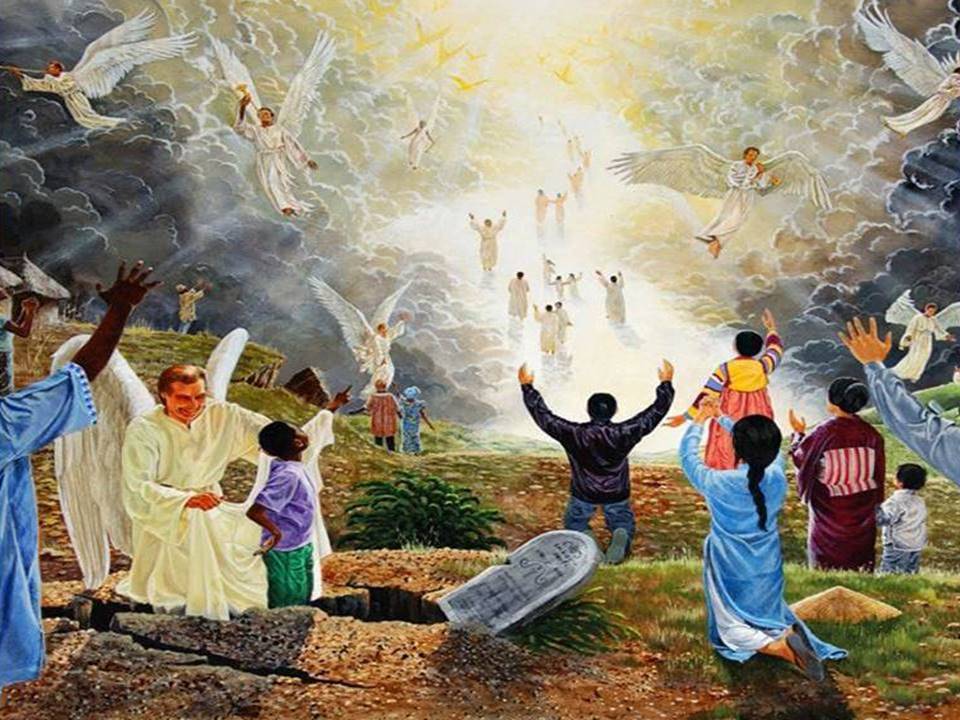
- The first resurrection – At the Second Coming of Jesus Christ, the righteous dead will be raised to life, and the righteous living will join them on a journey to heaven. They will all be transformed into perfect beings, free of pain and the effects of aging. This is the resurrection to life (Revelation 20:4–6; John 5:29). Those who partake in this resurrection are blessed because “over such, the second death has no power” (Revelation 20:6).
- The second resurrection – After the millennium (the 1,000 years the righteous will spend in heaven), the wicked dead will be resurrected to face judgment (Revelation 20:5, 11–13). After judgment, they will partake of the second death in the lake of fire (Revelation 20:14–15).
The Final Judgment
Revelation 20:12 describes the resurrected wicked standing before God:
“And I saw the dead, small and great, standing before God, and books were opened. And another book was opened, which is the Book of Life. And the dead were judged according to their works, by the things which were written in the books.”
This judgment is fair, transparent, and reveals God’s justice. Those who reject God’s gift of salvation through Christ are not forced into heaven but are allowed to choose eternal separation from their Creator and thus experience permanent death.
Why the Difference Between the First and Second Deaths Matters
- We Know That God’s Justice Is Fair and Compassionate
The difference between the first death and the second death demonstrates that God is just. Everyone dies the first death, but only those who refuse Christ experience the second. No one is forced into anything. No one suffers unjustly.
- We Know the Gospel Offers Hope Beyond the Grave
On the cross, Jesus conquered death so that believers will never taste the second death. Revelation 2:11 promises: “He who overcomes shall not be hurt by the second death.”
- We Know That Eternal Life Is a Gift, Not the Default
The Bible is clear: the only way to eternal life is Christ (John 3:16). Without Him, we face the default of perishing in the second death. This truth highlights the urgency of choosing Christ today.
Living in the Light of Eternity Can Change Your Life
Because the Bible reveals the difference between the first and second deaths, we can live differently. We should:
- Not fear the first death. It is only temporary. For believers, it is a peaceful sleep until the resurrection at the Second Coming.
- Prepare for eternal life. Claim Jesus Christ as your Lord and Savior. Eternal life is a gift, but it must be accepted.
- Stay ready for the Second Coming. Live with hope and anticipation, knowing Christ will return to awaken the righteous dead and bring all believers home.
- Share the hope. Comfort others with the truth that death is not the end. Warn them with love about the reality of the second death.
- Cling to God’s awesome promises. Memorize verses like John 11:25–26 and Revelation 21:4, which remind us of resurrection, eternal life, and the end of pain.
Choose the Resurrection and the Life
The first death and the second death are not abstract theological ideas. They are real futures, and understanding the difference between them is central to understanding the Gospel.
The first death is a temporary sleep that all people face. The second death—the lake of fire described in Revelation 20—is the eternal end of sin, evil, pain, and all who reject God’s love.
Death scares many in this world, yet the Bible’s messages about death are filled with hope. Remember Revelation 20:6?
“Blessed and holy is he who has part in the first resurrection. Over such the second death has no power, but they shall be priests of God and of Christ, and shall reign with Him a thousand years.”
Though the righteous may die once, they will awaken at the Second Coming of Jesus to enter into a joyous eternal life in communion with God.
The question this knowledge poses for each of us is simple: will we choose the gift of eternal life in Christ, or will we face the second death? God’s desire is clear.
“The Lord is not slack concerning His promise, as some count slackness, but is longsuffering toward us, not willing that any should perish but that all should come to repentance.” (2 Peter 3:9)
Today, embrace the One who is the resurrection and the life. In Him, death is not the end. It is a small pause, a peaceful rest, before everlasting joy!
Related Articles:
- Hope Beyond the Grave: Death and Resurrection at the Second Coming of Jesus Christ
- Can Eternal Death Be Used Coercively?
- What Happens If You Don’t Accept Jesus Christ as Your Lord and Savior?
There’s always more to learn about our loving God and His plan for humanity. Check out our study guides, videos, podcasts, and more!
Scripture quotations are taken from the New King James Version®. Copyright © 1982 by Thomas Nelson. Used by permission. All rights reserved.


Article
Does E. G. White Meet the Biblical Tests of a True Prophet?
A Christ-centered, biblical, historical, and Seventh-day Adventist evaluation Introduction: The question every Adventist should be willing to ask The...
A Christ-centered, biblical, historical, and Seventh-day Adventist evaluation
Introduction: The question every Adventist should be willing to ask
...