




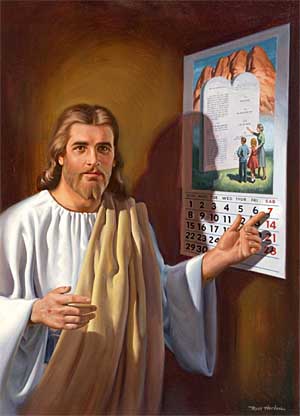
Ten Biblical Arguments for the Seventh-day Sabbath vs. Ten Biblical Arguments for Sunday Observance
A comparative biblical study of Creation, the Ten Commandments, Jesus Christ, the apostles, and the New Covenant
The central question: Did God establish the seventh-day Sabbath as a permanent institution for humanity, or did the death and resurrection of Jesus Christ authorize Sunday as the new Christian day of worship?
The Bible explicitly identifies the seventh day as the Sabbath in Genesis 2 and Exodus 20. It also establishes the importance of Christ’s resurrection on the first day of the week. However, Christians disagree over whether the Sabbath commandment continues unchanged, is fulfilled in Christ, or is expressed through Sunday observance.
The following comparison presents the strongest biblical arguments for both positions, including their principal objections.
Part I — Ten Biblical Arguments for the Seventh-day Sabbath
1. God established the Sabbath at Creation
Scripture: Genesis 2:1–3
God rested on the seventh day, blessed it, and sanctified it.
Sabbatarian argument: The Sabbath originated before sin, Abraham, Moses, Israel, or the ceremonial law. Its origin suggests a universal institution intended for humanity.
Sunday-observing response: Genesis describes God’s rest but contains no explicit command requiring Adam and Eve to observe the Sabbath. The command to humanity appears later in Israel’s covenant.
Assessment: Genesis explicitly sanctifies the seventh day. Whether that establishes a continuing obligation for all humanity requires further interpretation.
2. The Fourth Commandment specifies the Seventh Day
Scripture: Exodus 20:8–11
“Remember the Sabbath day, to keep it holy.” (Exodus 20:8, NKJV)
The commandment identifies the seventh day and grounds its holiness in Creation.
Sabbatarian argument: The Sabbath is included in the Ten Commandments alongside prohibitions against murder, adultery, and stealing. Changing its designated day would require divine authorization.
Sunday-observing response: Christians disagree about the continuing application of the Mosaic law. Some distinguish the enduring moral principle of rest and worship from the specific seventh-day requirement.
Assessment: The Fourth Commandment explicitly identifies the seventh day. No alternative weekday is provided within the Decalogue.
3. The Sabbath was made for Humanity
Scripture: Mark 2:27–28
“The Sabbath was made for man, and not man for the Sabbath.” (NKJV)
Sabbatarian argument: Jesus describes the Sabbath as a gift for humanity, not merely an ethnic institution for Israel. As Lord of the Sabbath, He possesses authority over its proper observance.
Sunday-observing response: Jesus was addressing Sabbath controversies within first-century Judaism. His statement does not necessarily establish that every aspect of Mosaic Sabbath observance remains obligatory after the resurrection.
Assessment: Jesus presents the Sabbath as beneficial to humanity, but the passage does not directly settle its new-covenant obligation.
4. Jesus observed the Seventh-day Sabbath
Scripture: Luke 4:16; Matthew 12:9–13
Luke records that synagogue attendance on the Sabbath was Jesus’ custom.
Sabbatarian argument: Jesus modeled Sabbath observance and corrected legalistic distortions rather than abolishing the institution.
Sunday-observing response: Jesus also participated in other aspects of Jewish covenant life. His observance before the cross does not automatically establish the obligations of Christians after the resurrection.
Assessment: Jesus’ Sabbath observance is unquestionable. Its continuing normative force is debated.
5. Jesus taught that God’s commandments remain significant
Scripture: Matthew 5:17–19
Jesus declared that He came not to destroy the Law or the Prophets but to fulfill them.
Sabbatarian argument: Christ’s fulfillment of the law does not mean its moral principles disappear. The Fourth Commandment belongs to God’s moral law.
Sunday-observing response: Fulfillment can transform how Old Testament commands apply under the new covenant. Christians do not generally maintain every Mosaic command in its original form.
Assessment: The meaning of fulfill is decisive. Matthew 5 does not specifically discuss a change of Sabbath day.
6. Jesus anticipated Sabbath concerns after His resurrection
Scripture: Matthew 24:20
Jesus told His disciples to pray that their flight would not occur in winter or on the Sabbath.
Sabbatarian argument: In the context of Jerusalem’s future destruction, Jesus treated the Sabbath as meaningful to His followers decades after His resurrection.
Sunday-observing response: Sabbath restrictions in Judean society could have complicated travel regardless of whether Christians were religiously obligated to keep the day.
Assessment: The passage supports the Sabbath’s continuing practical importance but does not conclusively establish universal Christian obligation.
7. The apostles continued Sabbath activity after the resurrection
Scripture: Acts 13:14, 42–44; 17:2; 18:4
Paul entered synagogues on Sabbath days and reasoned from Scripture.
Sabbatarian argument: Decades after the resurrection, apostolic ministry continued to recognize the seventh-day Sabbath.
Sunday-observing response: The synagogue was the natural place to reach Jewish audiences on the Sabbath. Evangelistic scheduling does not necessarily establish a command for Christian worship.
Assessment: Acts clearly documents Sabbath activity. It does not always distinguish religious observance from evangelistic opportunity.
8. Hebrews speaks of a remaining Sabbath rest
Scripture: Hebrews 4:4–11
Hebrews 4:9 states that a rest remains for God’s people.
The Greek noun sabbatismos is distinctive and can mean Sabbath rest or Sabbath celebration.
Sabbatarian argument: The author connects Creation, God’s seventh-day rest, and the continuing experience of God’s people. This supports the ongoing significance of Sabbath observance.
Sunday-observing response: The chapter’s primary emphasis is entering God’s rest through faith and perseverance. Its meaning is broader than weekly observance.
Assessment: Hebrews strongly affirms the theological importance of God’s rest. Whether verse 9 mandates weekly seventh-day observance remains contested.
9. The Sabbath is a sign of God’s sanctifying work
Scripture: Exodus 31:13; Ezekiel 20:12, 20
God identifies the Sabbath as a sign between Himself and Israel.
Sabbatarian argument: The Sabbath represents dependence on God’s sanctifying power rather than human achievement. This spiritual principle continues in the gospel.
Sunday-observing response: These passages explicitly identify Israel as the covenant recipient. The new covenant establishes belonging to God through Christ and the Holy Spirit.
Assessment: The Sabbath’s covenant-sign function is explicit for Israel. Its direct extension to all new-covenant believers is a theological inference.
10. The Sabbath points to worship in the restored creation
Scripture: Isaiah 66:22–23; Revelation 14:6–12
Isaiah portrays worship from Sabbath to Sabbath in the new heavens and new earth. Revelation calls humanity to worship the Creator and describes saints who keep God’s commandments and the faith of Jesus.
Sabbatarian argument: The Sabbath connects Creation, redemption, and restoration. Revelation’s Creation language echoes Exodus 20:11, supporting the Sabbath’s significance in final worship.
Sunday-observing response: Isaiah’s prophetic language may portray universal worship using familiar covenant imagery. Revelation does not explicitly mention the weekly Sabbath in chapter 14.
Assessment: These passages support a strong biblical connection between Creation and worship. Their application to mandatory seventh-day observance is interpretive.
Part II — Ten Biblical Arguments for Sunday Observance
An important distinction: Not all Sunday-observing Christians claim that Sunday literally replaced Saturday as the Fourth Commandment Sabbath. Some advocate a Christian Sunday Sabbath, while others regard Sunday as an appropriate day of worship without imposing Sabbath restrictions.
1. Jesus rose from the dead on the first day
Scripture: Matthew 28:1–6; Mark 16:2; Luke 24:1; John 20:1
Sunday argument: Christ’s resurrection inaugurates the new creation. Sunday therefore possesses special significance for Christian worship.
Sabbatarian response: The resurrection establishes Sunday’s importance but does not sanctify it as the Sabbath or change the Fourth Commandment.
Assessment: Resurrection Sunday is explicit. A transfer of Sabbath holiness is not.
2. Jesus appeared to His assembled disciples on resurrection Sunday
Scripture: John 20:19–23
Sunday argument: Jesus’ appearance to His gathered disciples on the first day suggests the beginnings of a resurrection-centered pattern of assembly.
Sabbatarian response: The disciples were gathered behind locked doors out of fear. The text does not describe a commanded Sunday worship service.
Assessment: The gathering and appearance are historical facts in John’s narrative. Their significance as a prescribed weekly pattern is inferred.
3. Jesus appeared again eight days later
Scripture: John 20:26–29
Sunday argument: The subsequent appearance to the assembled disciples suggests a recurring first-day gathering.
Sabbatarian response: John does not command weekly Sunday observance, and the inclusive counting of eight days does not by itself establish a liturgical rule.
Assessment: This provides possible evidence of an emerging gathering pattern, not an explicit Sabbath transfer.
4. Pentecost inaugurated the church’s Spirit-empowered mission
Scripture: Acts 2:1–4; Leviticus 23:15–16
Sunday argument: Under a common chronology, Pentecost fell on Sunday. The outpouring of the Holy Spirit on that day reinforces its importance in the new covenant.
Sabbatarian response: Pentecost was an annual biblical feast, not an institution of weekly Sunday sacredness. Moreover, its weekday depends partly on how Leviticus 23 is interpreted.
Assessment: The significance of Pentecost is certain; its use as proof of Sunday Sabbath observance is indirect.
5. Christians gathered to break bread on the first day
Scripture: Acts 20:7
“Now on the first day of the week, when the disciples came together to break bread…” (NKJV)
Sunday argument: This is one of the clearest New Testament descriptions of a Christian gathering on the first day.
Sabbatarian response: The passage records one gathering and does not declare Sunday holy. Depending on the reckoning of days, the evening meeting may have occurred on what modern calendars call Saturday night.
Assessment: Acts 20:7 provides genuine evidence of first-day Christian assembly, but not a command to replace the Sabbath.
6. Paul instructed believers to set aside funds on the first day
Scripture: 1 Corinthians 16:1–2
Sunday argument: Regular first-day contributions may reflect an established rhythm of Christian community life.
Sabbatarian response: Paul’s instruction can be understood as setting aside money privately, rather than collecting it during a Sunday worship service.
Assessment: The text establishes first-day financial preparation. It does not explicitly describe a Sunday service.
7. John refers to the Lord’s Day
Scripture: Revelation 1:10
Sunday argument: The expression kyriakē hēmera—the Lord’s Day—is commonly understood in historic Christianity as Sunday, associated with Christ’s resurrection.
Sabbatarian response: Revelation does not identify the weekday. Jesus identifies Himself as Lord of the Sabbath in Mark 2:28, while Isaiah 58:13 calls the Sabbath God’s holy day.
Assessment: Revelation 1:10 is important but does not independently identify Sunday. Early Christian historical usage is relevant to interpreting it.
8. Paul warns against judging believers regarding Sabbaths
Scripture: Colossians 2:16–17
Sunday argument: The Sabbath belonged to the shadow of things fulfilled in Christ. Therefore, Christians need not remain bound to Old Testament Sabbath regulations.
Sabbatarian response: The passage addresses judgment involving food, festivals, new moons, and Sabbaths. Sabbatarians dispute whether Paul intends to abolish the weekly Creation Sabbath or is addressing ceremonial and legalistic observances.
Assessment: This is one of the strongest New Testament arguments against mandatory Sabbath observance. It does not, however, designate Sunday as the replacement.
9. Romans permits differing convictions about days
Scripture: Romans 14:5–6
Sunday argument: Paul permits believers to regard days differently according to conscience, supporting freedom from a universally mandatory seventh-day requirement.
Sabbatarian response: Romans 14 addresses disputed practices, and the Sabbath is not explicitly named. Paul may be discussing optional fasts or other observances rather than the Fourth Commandment.
Assessment: The passage strongly emphasizes conscience and mutual acceptance, but its precise application to the weekly Sabbath is debated.
10. Christ fulfills the law and provides the believer’s ultimate rest
Scripture: Galatians 4:9–11; Hebrews 4:1–11; Colossians 2:16–17
Sunday argument: The believer’s relationship with God is grounded in Christ, not religious calendar observance. Sunday celebrates the completed work of redemption without requiring the continuation of the Mosaic Sabbath system.
Sabbatarian response: Salvation by grace does not eliminate obedience to God’s moral commandments. The Sabbath can be observed as a response to salvation rather than a means of obtaining it.
Assessment: This is a substantial new-covenant argument for freedom concerning sacred days. It supports non-obligatory Sabbath observance more directly than it establishes Sunday as a new Sabbath.
Part III — Direct comparison of the biblical evidence
| Question | Seventh-day position | Sunday position |
|---|---|---|
| Explicitly blessed by God at Creation | Yes — Genesis 2:3 | No explicit statement |
| Explicitly named in the Ten Commandments | Yes — Exodus 20:10 | No |
| Observed by Jesus | Yes — Luke 4:16 | No Sunday Sabbath observance recorded |
| Called the Sabbath in Scripture | Yes | No |
| Explicitly abolished in the New Testament | No direct statement | Some interpret Colossians 2 as removing its obligation |
| Associated with Jesus’ resurrection | Not the resurrection day | Yes |
| Associated with Christian gatherings | Yes, in Sabbath contexts | Yes — Acts 20:7 |
| Explicitly commanded as the new Sabbath | Not applicable; the original command exists | No |
| Supported by post-apostolic Christian practice | Yes, in some communities | Yes, increasingly widespread |
| Continuing obligation for Christians | Affirmed | Denied or transformed, depending on tradition |
Part IV — The crucial theological distinction
There are actually three major Christian positions, not simply two.
Seventh-day Sabbatarianism
The seventh-day Sabbath is a continuing Creation institution and moral commandment. Christians should observe it in response to God’s grace.
First-day Sabbatarianism
The moral requirement for a weekly day of rest and worship continues, but Christ’s resurrection and apostolic practice establish Sunday as the Christian Sabbath. This is characteristic of certain Reformed traditions.
Non-Sabbatarian Sunday Worship
Christians worship on Sunday in honor of the resurrection and church tradition, without claiming that Sunday is literally the seventh-day Sabbath or that the Fourth Commandment applies unchanged.
This distinction explains why demonstrating that Sunday is not the seventh-day Sabbath does not, by itself, settle whether Christians are required to keep Saturday.
Part V — Five questions that ultimately determine the answer
1. Was the Sabbath instituted for all humanity at Creation, or did its obligatory observance begin with Israel? Genesis 2, Exodus 20, and Mark 2:27 are central.
2. Is the seventh-day specification an enduring part of God’s moral law? This depends on the relationship between the Ten Commandments and the new covenant.
3. Does Christ’s fulfillment of the law preserve, transform, or remove the Sabbath obligation? Matthew 5:17, Colossians 2:16–17, and Hebrews 4 must be read together.
4. Can apostolic example establish a new worship day without an explicit command? Acts 20:7, 1 Corinthians 16:2, and Revelation 1:10 become important here.
5. Is Sabbath observance an expression of saving faith or an obligation from which Christ has freed believers? The distinction between obedience as a response to grace and obedience as a means of justification is essential.
Final biblical assessment
Three conclusions are particularly well supported by the biblical text.
1. The Sabbath of Creation and the Ten Commandments is the seventh day. Genesis 2 and Exodus 20 state this explicitly.
2. The New Testament does not explicitly command a transfer of Sabbath observance from Saturday to Sunday. Sunday worship has biblical associations and substantial historical support, but its establishment as a replacement Sabbath requires theological inference.
3. The strongest dispute is over the continuing obligation of the seventh-day Sabbath under the new covenant. The texts most important to resolving that question are Matthew 5:17–19, Mark 2:27–28, Romans 14:5–6, Colossians 2:16–17, Galatians 4:9–11, and Hebrews 4:1–11.
The Sabbath’s importance, from a Sabbatarian understanding, is not merely the correct identification of a weekday. It is the recognition of God as Creator, Redeemer, and Sanctifier. Its observance is understood as a response of love and faith, not a method of earning salvation.
The strongest Sunday-observing response is that Christ’s resurrection and the new covenant have transformed the believer’s relationship to sacred time, making Christ Himself the fulfillment of the rest toward which the Sabbath pointed.
The decisive issue is therefore not whether the Bible calls Sunday the seventh-day Sabbath—it does not—but whether the Fourth Commandment’s seventh-day requirement continues to bind Christians after Christ’s resurrection.

Article
Justification by Faith
We have discovered, basically, three major facts: We are all under sin. That means we are ruled and dominated by sin. We are slaves to sin, which means...
We have discovered, basically, three major facts:
We are all under sin. That means we are ruled and dominated by...